Progressive Taxation
Rebuilding a genuinely progressive tax system is one of the clearest ways Saskatchewan could fund public services without repeating past austerity.
Saskatchewan’s income tax system asks a smaller share from those with the greatest capacity to pay than it did a generation ago. Rebuilding a genuinely progressive system is one of the clearest, most direct ways the province could fund public services without repeating the austerity choices of the past.
Progressive taxation is a simple idea: as income rises, the rate of tax applied to additional income should rise too, so that the overall system asks proportionally more from those best able to contribute and proportionally less from those with the least room to spare. It is not a punishment for success. It is a recognition that the roads, schools, hospitals, and courts that make prosperity possible in the first place are public goods, built and maintained collectively.
How Saskatchewan’s system compares
Saskatchewan has historically maintained one of the flatter provincial income tax structures in Canada, with fewer brackets and a narrower gap between the lowest and highest marginal rates than many other provinces. Combined with a comparatively low corporate tax rate, this has meant that the province’s overall tax mix leans more heavily on consumption taxes, like the Provincial Sales Tax, to make up the difference.
The trouble with consumption taxes is that they apply the same rate regardless of income. A family spending most of its paycheque on rent, groceries, and clothing pays PST on nearly everything it buys. A high-income household, by contrast, saves and invests a much larger share of its income, sheltering that portion from consumption tax entirely. The practical effect is a tax system that takes a bigger bite, as a percentage of income, from those who have the least.
What the 2017 consultation asked for
During SaskForward’s province-wide consultation ahead of the 2017 budget, one of the clearest and most consistent messages from respondents was a call for a more progressive income tax system alongside more balanced corporate taxation. People were not asking for a punitive tax regime. They were asking for a system that reflected a basic principle of fairness: that those with more should contribute more, especially in a moment when the province was being asked to make painful cuts to programs the majority relied on.
That message reflected something important about how Saskatchewan residents actually think about fairness, even in a province often characterized as fiscally conservative. When given the chance to weigh in directly, people did not default to demanding smaller government. They asked for a smarter, fairer way to fund the government services they use every day.
Respondents were unified in their call for their government to respond to the deficit by considering new revenue sources, including more balanced corporate and business taxes and a more progressive income tax system.
The corporate side of the equation
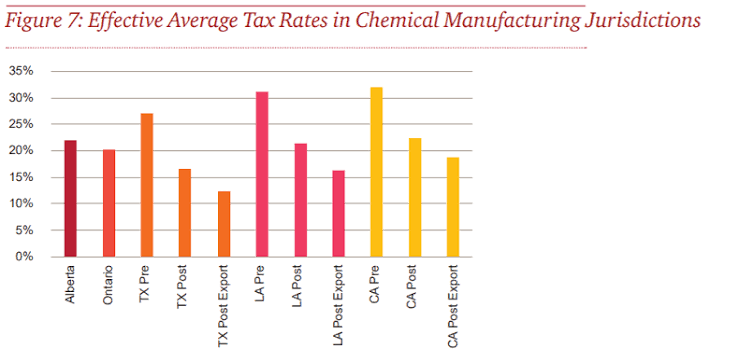
Progressive taxation is not only about personal income brackets. It also includes how a province taxes corporate profit. Saskatchewan’s corporate tax structure has remained competitive relative to neighbouring provinces, a position often defended on the grounds that it attracts investment and keeps businesses from relocating.
But competitiveness is a relative measure, not an absolute one, and a modest, carefully calibrated increase in corporate tax rates, especially for large and highly profitable corporations operating in resource extraction, does not automatically drive investment away. Many of the businesses that benefit most from Saskatchewan’s infrastructure, workforce, and resource wealth have a durable interest in staying in the province regardless of small shifts in the tax rate. A fairer balance between corporate contribution and public investment does not require abandoning a competitive business environment. It requires being honest about how much room exists within that environment to ask more of those most able to give.
What progressive revenue could fund
The case for progressive taxation is strongest when it is tied to something concrete. A modestly more progressive income tax system, paired with a fairer corporate tax rate, could generate meaningful new revenue without requiring further cuts to libraries, health care, or income supports. It could fund the restoration of services cut in 2017 and since, reduce reliance on regressive consumption taxes, and build a fiscal cushion for the next downturn in resource revenue, rather than forcing another round of emergency cuts.
This is not a hypothetical exercise. Other provinces have adjusted their tax brackets and corporate rates without the economic disruption that opponents of progressive taxation often predict. The sky does not fall when a province asks its highest earners and most profitable corporations to contribute a fairer share. What changes is the province’s capacity to protect the services that everyone, eventually, relies on.
Moving from consultation to policy
The 2017 consultation showed that Saskatchewan residents are ready to have an honest conversation about taxation, one that goes beyond the reflexive assumption that any tax increase is politically toxic. What has been missing is a government willing to translate that public appetite into policy.
Progressive taxation is not a silver bullet, and no single policy change eliminates every trade-off in provincial budgeting. But it is one of the most direct, evidence-based tools available for building a fairer fiscal foundation, one where the cost of running the province is shared according to ability to pay, rather than falling hardest on those who can least afford it. Building public support for that shift, and holding the government accountable to the consultation it once conducted, remains one of the clearest paths toward a more just Saskatchewan budget.
What does progressive taxation actually mean?
Progressive taxation means the rate of tax rises as income rises, so higher earners pay a larger share of additional income than lower earners. It is designed to distribute the cost of public services according to ability to pay.
Why does Saskatchewan rely more on consumption taxes?
Saskatchewan has traditionally kept a flatter income tax structure and a competitive corporate tax rate, which shifts more of the province’s revenue burden onto consumption taxes like the PST that apply equally regardless of income.
Would raising corporate taxes drive businesses away?
Not necessarily. Many businesses, especially those tied to Saskatchewan’s resources and infrastructure, have strong reasons to remain even with modest tax adjustments. A carefully calibrated increase can raise revenue without triggering large-scale relocation.
What did SaskForward’s 2017 consultation find on taxation?
Respondents consistently called for a more progressive income tax system and more balanced corporate taxation, rather than relying primarily on service cuts and consumption tax hikes to manage the deficit.
Could progressive taxation fund restored public services?
Yes. A modestly more progressive income tax combined with fairer corporate rates could generate revenue sufficient to restore services cut since 2017 and reduce reliance on regressive consumption taxes.