Understanding Saskatchewan’s 2017 Budget: Who Really Paid the Price
A closer look at where the cuts landed, who was protected, and why the choices made in 2017 still shape provincial budgeting today.
When the Government of Saskatchewan tabled its 2017–18 budget, it was framed as a necessary response to a shrinking resource revenue base and a growing deficit. But a closer look at where the cuts landed, and where the room was found for tax relief, tells a very different story about whose interests the budget actually protected.
The province had built more than a decade of spending decisions around the assumption that potash and oil revenues would keep climbing. When commodity prices fell, that assumption collapsed, and the government was left searching for a way to close the gap. The path it chose was not the only path available. It was a choice, and like every budget choice, it had winners and losers.
A budget built on cuts, not conversation
In the months leading up to the 2017 budget, thousands of Saskatchewan residents took part in a province-wide consultation asking a simple question: what would you do differently to make this province happier, healthier, and more prosperous? The response was clear and consistent. People wanted the government to protect the public services they relied on and to look seriously at new, fairer sources of revenue before cutting programs that reached the most vulnerable.
That is not the direction the government took. Instead, the 2017 budget delivered reductions across library funding, municipal grants-in-lieu, and a range of social programs, while raising the Provincial Sales Tax and expanding it to previously exempt goods and services, including construction, restaurant meals, and children’s clothing. The result was a budget that asked ordinary families, seniors, and small businesses to absorb a disproportionate share of the province’s fiscal repair.
Who felt the cuts first
Library closures became one of the most visible flashpoints. Rural and urban library systems alike faced funding reductions that threatened to close branches entirely in some communities. For many Saskatchewan residents, especially in smaller towns, the library is not simply a place to borrow books. It is free internet access, a meeting space, a hub for newcomer settlement services, and often the only public building in town that welcomes people regardless of income.
Changes to the grants-in-lieu program hit municipalities directly, particularly those that host Crown corporation infrastructure such as SaskPower transmission lines or SaskEnergy facilities. Smaller municipalities, already stretched thin, were left to either raise property taxes locally or cut services, effectively downloading a provincial revenue problem onto local governments and the residents who depend on them.
Meanwhile, changes to the PST hit lower and middle-income households hardest, because consumption taxes take a larger share of income from people who spend most of what they earn simply to get by, compared with higher-income households who save and invest a larger portion of their earnings.
The overwhelming consensus from our consultation was a widespread desire to protect the programs and services that ordinary people in Saskatchewan rely on.
The revenue options left on the table
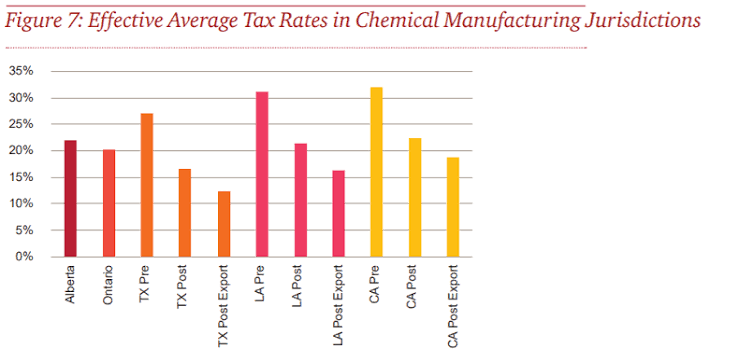
What made the 2017 budget particularly difficult to accept for many Saskatchewan residents was not simply that cuts were made, but that alternative revenue options existed and were not seriously pursued. Saskatchewan’s corporate tax rate remained among the more competitive in the country, and there was little appetite shown for reviewing corporate tax structures or introducing a more progressive income tax system, both of which had been raised repeatedly during the public consultation process.
A more balanced approach to corporate taxation would not have solved the deficit on its own, but it would have distributed the burden of fiscal repair more evenly across the province’s economy rather than concentrating it on renters, library patrons, and small municipalities. The government’s choice to prioritize a stable corporate tax environment over new revenue tools reflected a set of values as much as a set of fiscal calculations.
Public pushback and partial reversals
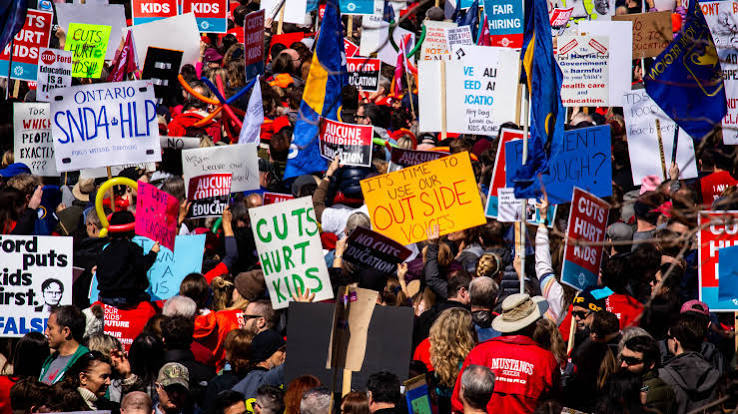
The scale of public disapproval that followed the 2017 budget was significant enough to force the government to walk back some of its decisions. Cuts to library funding were partially restored after sustained advocacy from library boards, patrons, and community organizations. Some changes to grants-in-lieu were also adjusted in response to pressure from affected municipalities.
These reversals mattered, and they demonstrated something important: public pressure works. But partial reversals are not the same as a fundamentally different approach to budgeting. Many of the underlying choices, including the expanded PST and the broader shift of financial risk onto individuals and local governments, remained in place. The pattern set in 2017 has continued to shape provincial budgeting in the years since.
Why this history still matters
It would be easy to treat the 2017 budget as a single event, now years in the past, with limited relevance to current debates. But the questions it raised are still the questions that matter most in any provincial budget: who is asked to sacrifice when revenue falls short, and who is protected? Which services are treated as essential and which are treated as optional? Is the tax system asked to do more of the work, or are cuts to services asked to do more of the work?
Every subsequent Saskatchewan budget has been built, in part, on the precedent set in 2017. Understanding that history equips residents to ask sharper questions the next time a deficit is announced and a new round of choices has to be made.
What a fairer alternative looks like
The consultation that preceded the 2017 budget already sketched the outline of an alternative. It called for a more progressive personal income tax system, so that those with the greatest capacity to contribute do so at a fairer rate. It called for a review of corporate taxation to ensure that businesses benefiting from Saskatchewan’s resources, infrastructure, and workforce contribute their fair share to maintaining them. And it called for protecting the public services, from libraries to health care to income supports, that keep the province functioning for everyone, not just those who can afford private alternatives.
None of these ideas require abandoning fiscal responsibility. A budget can be balanced and fair at the same time. The 2017 experience shows what happens when a government chooses the path of least resistance, cutting visible, immediate spending rather than pursuing the harder, slower work of building a more equitable revenue base. It also shows that when people organize, ask questions, and refuse to accept austerity as inevitable, they can shift outcomes, even if the shift is incomplete.
Saskatchewan’s next budget debate will not be the last chance to get this right. But every budget cycle is another opportunity to insist that the people who felt the cost of the last round of cuts should not be asked to carry the weight of the next one.
What was the main cause of Saskatchewan’s 2017 budget deficit?
The deficit grew largely because the province had built its spending plans around resource revenue, particularly potash and oil, that fell sharply when commodity prices dropped. Rather than diversifying revenue sources in advance, the province was left needing to close a significant gap quickly.
Which programs were cut in the 2017 budget?
The budget reduced funding to public libraries, changed the grants-in-lieu program that supports municipalities hosting Crown infrastructure, and trimmed a range of social programs, while also expanding the Provincial Sales Tax to previously exempt goods and services.
Did the government reverse any of the cuts?
Yes. Sustained public pressure led the government to partially restore library funding and adjust some of the changes to grants-in-lieu. However, many of the underlying budget decisions, including the expanded sales tax, remained in place.
What alternative did the public consultation suggest?
SaskForward’s province-wide consultation found strong public support for a more progressive income tax system and more balanced corporate taxation, rather than relying primarily on service cuts and consumption tax increases to close the deficit.
How does the 2017 budget still affect Saskatchewan today?
Many of the fiscal patterns set in 2017, including reliance on consumption taxes and a cautious approach to corporate tax reform, have continued to shape subsequent provincial budgets, making that year a useful reference point for understanding current fiscal debates.